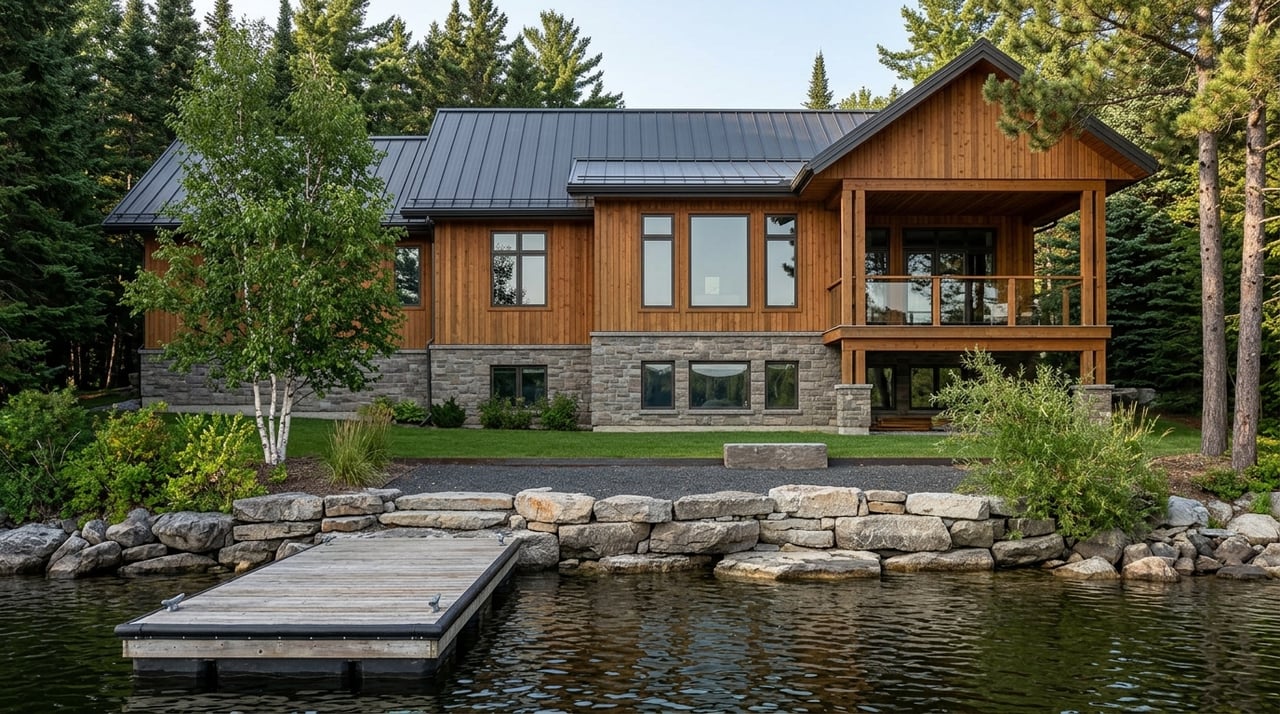
If you picture a lakeside retreat as a quiet place to unplug, launch a canoe, and step onto nearby trails within minutes, Lac Des Arcs deserves a closer look. This small Bow Valley hamlet offers a different kind of ownership experience than a typical neighborhood in Canmore or Calgary. If you are thinking about buying here, understanding the setting, housing stock, and practical ownership details can help you make a smarter decision. Let’s dive in.
Why Lac Des Arcs Feels Different
Lac Des Arcs is a hamlet in the MD of Bighorn’s Bow Corridor, located between Canmore and Kananaskis. According to the municipal community page, it began as a seasonal cottage community in the 1960s, and that history still shapes the area today.
This is not a master-planned subdivision with a commercial center or large-scale new development. The municipality’s development planning documents note that the hamlet has no commercial area and very little remaining vacant land. That limited growth is a big part of what gives Lac Des Arcs its retreat-like character.
What Buyers Are Really Buying
When you buy in Lac Des Arcs, you are not just buying a house. You are buying access to a low-density, recreation-centered setting where privacy, natural buffers, and outdoor access are part of daily life.
The area is accessed from the Trans-Canada Highway, but municipal planning notes that it is buffered from view. Some homes are occupied part-time, especially on weekends and holidays, according to the municipality’s planning framework. For many buyers, that mix of full-time and part-time use supports the feel of a true getaway rather than a busy year-round suburban environment.
Housing Stock in Lac Des Arcs
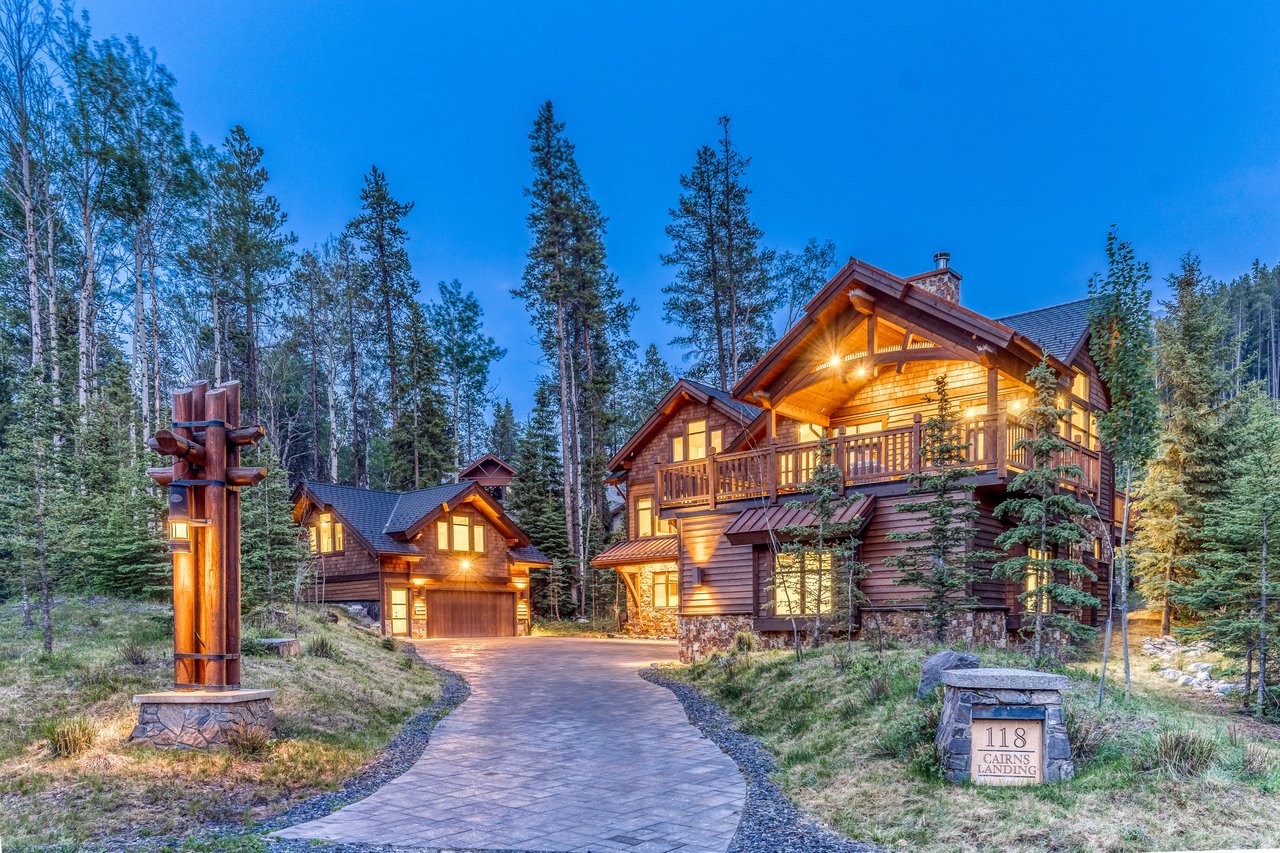
Housing in Lac Des Arcs tends to be custom and low-density. The MD of Bighorn’s land-use bylaw points to single-detached homes on larger lots with private water and wastewater systems.
That matters because your search here will likely look very different from a search in a higher-inventory market. Instead of multiple similar homes in one development, you may see a small number of highly varied properties, from cottage-style homes to larger detached residences on substantial parcels. In practical terms, that often means limited selection, slower turnover, and a need to act strategically when the right property becomes available.
Why Inventory Can Be Tight
Supply in Lac Des Arcs is constrained by both policy and geography. The lake, Bow River, Wildland Park, and highway all limit where growth can occur, and the municipality notes there is very little vacant land remaining.
The land-use framework also keeps the area low-density, with very limited opportunity for further subdivision of existing residential lots except in narrow cases. If you are hoping to buy into a place that will remain quiet and relatively constrained, that can be a plus. If you expect lots of choice or future subdivision potential, it is important to calibrate expectations early.
Lakeside Lifestyle and Recreation Access
One of the strongest reasons buyers consider Lac Des Arcs is simple: the lifestyle. The Lac Des Arcs Campground information from Alberta Parks notes that the lake is popular for windsurfing, and the surrounding area supports hiking, biking, fishing, and paddling.
Travel Alberta also highlights windsurfing, fishing, and canoeing as key activities tied to the lake. For many buyers, this creates a rare mix of waterfront feel and mountain recreation access in one setting.
Nearby Trails Add Year-Round Appeal
The trail network is a major part of the ownership story. Heart Creek Day Use provides parking access for Heart Creek, the Trans-Canada Trail, and Quaite Creek trails, and Alberta Parks also identifies access to the Heart Creek Interpretive Trail and Heart Mountain from the Lac Des Arcs overpass.
That means a home here can appeal to buyers who want more than a water view. You may be buying for paddling in one season and trail access in another, which broadens the property’s lifestyle value.
Plan for Parking Rules
If you expect to spend time at trailheads or host visiting friends and family who want to explore nearby parks, it helps to understand access rules in advance. Alberta requires a Kananaskis Conservation Pass for vehicles parked at many provincial park and public land sites in the area.
It is a small detail, but it is part of the real ownership rhythm in this part of the Bow Valley. For second-home buyers in particular, knowing these local logistics ahead of time makes trips smoother.
Key Due Diligence Before You Buy
In Lac Des Arcs, due diligence should go beyond the usual questions about price, condition, and closing dates. Because homes commonly rely on private servicing and the hamlet is governed by a low-density planning framework, you will want to understand both the property itself and what you can realistically do with it over time.
The MD of Bighorn’s Planning Services notes that development permits, compliance assessments, subdivisions, and statutory-plan amendments are handled through planning staff. The same municipal framework also signals that buyers should review existing service setups and permit history before budgeting for additions or major upgrades.
Check Permits and Improvement Potential
If you are considering renovations, a garage, an addition, or systems work, permit review matters. The municipality indicates that projects may require development approval and, depending on scope, building, plumbing, gas, electrical, or private-sewage permits.
This is especially important if you are buying an older retreat property that has evolved over time. Before you assume a project is straightforward, it is wise to verify what is already approved and what may require additional review.
Understand Private Services
The land-use bylaw indicates that homes are typically on private water and wastewater systems. That means buyers should pay close attention to system age, maintenance history, capacity, and any inspection findings.
Private services are common in rural and resort-style settings, but they should be part of your budgeting and due diligence from day one. A beautiful setting feels very different when an overlooked system issue turns into an expensive surprise.
Privacy, Highway Buffering, and Long-Term Setting
Privacy is one of the reasons many buyers are drawn to Lac Des Arcs. Municipal policy emphasizes maintaining tree cover as a visual screen and noise buffer along the highway, which helps preserve the feel of separation from the Trans-Canada corridor.
That said, privacy in a mountain hamlet is not just about distance between homes. It is also about lot shape, vegetation, elevation, and how the property relates to nearby natural features. Buyers should look carefully at how each property sits on its site rather than assuming all homes offer the same level of seclusion.
Environmental and Site Questions to Ask
Lakeside and river-adjacent ownership comes with extra site-specific questions. The municipality identifies wildfire hazard management and riverbank erosion along the Bow River as ongoing concerns, and municipal materials also point buyers toward asking property-by-property questions about flood, drainage, erosion, and access.
Alberta Parks notes ongoing flood-mitigation work in the Heart Creek drainage area on some trails, which is another reminder that local conditions can affect how land and access function over time. None of this means a property is not a fit. It means a careful review of site conditions is essential before you move forward.
Fishing and Boating Rules Matter Too
If your idea of a retreat includes fishing, paddling, or regular time on the water, ownership comes with a few practical responsibilities. Alberta states that anglers must follow current sportfishing regulations, Alberta residents ages 16 to 65 need an angling licence, and sport fish should not be moved between water bodies.
The province also promotes clean-drain-dry practices to help reduce the spread of invasive species and fish disease, as outlined in its non-motorized recreation guidance. For buyers who plan to make the most of the lake, these are not minor details. They are part of responsible use and long-term enjoyment.
Is Lac Des Arcs Right for You?
Lac Des Arcs can be a compelling fit if you value privacy, low-density living, and direct access to a recreation-focused mountain lifestyle. It may also suit you if you are comfortable with limited inventory, custom property variation, and the extra diligence that comes with private servicing and site-specific conditions.
It may be less ideal if you want walkable shops, a broad range of listings at any given time, or a more conventional neighborhood structure. In short, this is a market for buyers who appreciate scarcity, setting, and the character that comes from constrained growth.
How to Approach Your Search Strategically
Because inventory can be thin and each property may have its own quirks, preparation matters. A focused buying strategy often includes:
- Defining whether you want a part-time retreat, full-time home, or longer-term hold
- Reviewing property servicing and permit history early
- Looking closely at lot characteristics, access, and site conditions
- Understanding what future improvements may require municipal approval
- Moving decisively when a suitable property comes to market
In a place like Lac Des Arcs, the best opportunities are often about fit rather than volume. The goal is not to compare dozens of nearly identical options. It is to identify the one property that aligns with how you want to live in the Bow Valley.
If you are considering a lakeside retreat in Lac Des Arcs, working with a team that understands Bow Valley micro-markets can help you evaluate both the lifestyle value and the practical ownership details. To start your search with local insight and a high-touch approach, connect with Vincent & Wright Group | Sotheby's International Realty Canada.
FAQs
What is Lac Des Arcs like for homebuyers?
- Lac Des Arcs is a small, low-density hamlet in the Bow Valley with a retreat-style feel, limited inventory, and strong access to lake and trail recreation.
What types of homes are available in Lac Des Arcs?
- Buyers should generally expect single-detached homes on larger lots, often with custom characteristics and private water or wastewater systems.
What should buyers know about Lac Des Arcs inventory?
- Inventory appears to be limited, with slow turnover and fewer options than in larger nearby markets, so preparation and timing matter.
What outdoor activities are near Lac Des Arcs?
- Popular activities include windsurfing, fishing, canoeing, paddling, hiking, and biking, with nearby access to Heart Creek and other Bow Valley trails.
What permits should buyers consider in Lac Des Arcs?
- Depending on the project, buyers may need development approval and permits for building, plumbing, gas, electrical, or private-sewage work.
What due diligence matters most for Lac Des Arcs properties?
- Buyers should review permit history, private servicing, lot conditions, and site-specific questions related to drainage, erosion, flood exposure, access, and wildfire considerations.
Do visitors need a pass for nearby parking in Kananaskis?
- Yes, vehicles parked at many provincial park and public land sites in the area may require a Kananaskis Conservation Pass.
Is Lac Des Arcs a good fit for a second home?
- It can be a strong fit for buyers seeking a quiet Bow Valley retreat with recreation access, especially if they are comfortable with limited inventory and property-specific due diligence.